
When the Body Changes – Why Small Daily Habits Can Make a Big Difference
Share
One day the energy doesn’t feel as steady. Sleep changes. Focus comes and goes. What used to work on autopilot in everyday life suddenly takes more planning.
For many women, these kinds of changes happen gradually in the years before, during, and after menopause. Menopause is a natural biological phase, but the experience varies greatly from person to person. Many women describe changes that affect everyday life – for example sleep, concentration, mood, and energy.
When the body changes, it’s easy to think the solution is to do more: more diet changes, more rules, more routines, and more decisions.
But in practice, it can often be more sustainable to do the opposite.
What’s needed is not more discipline – but simpler habits
In a daily life where work, family, relationships, and recovery are already competing for energy, it becomes clear that sustainable changes rarely come down to perfection.
They are more often about:
- simplicity
- consistency
- routines that actually fit life as it is
Studies on how habits are formed show that behaviors are more easily automated when they are repeated in a stable context – for example at the same time of day or in connection with an already established routine.
In other words: what is simple enough to repeat has a greater chance of getting done.
A new view of nutrition in everyday life
Instead of thinking in terms of “the perfect diet,” it can be more helpful to think in recurring building blocks.
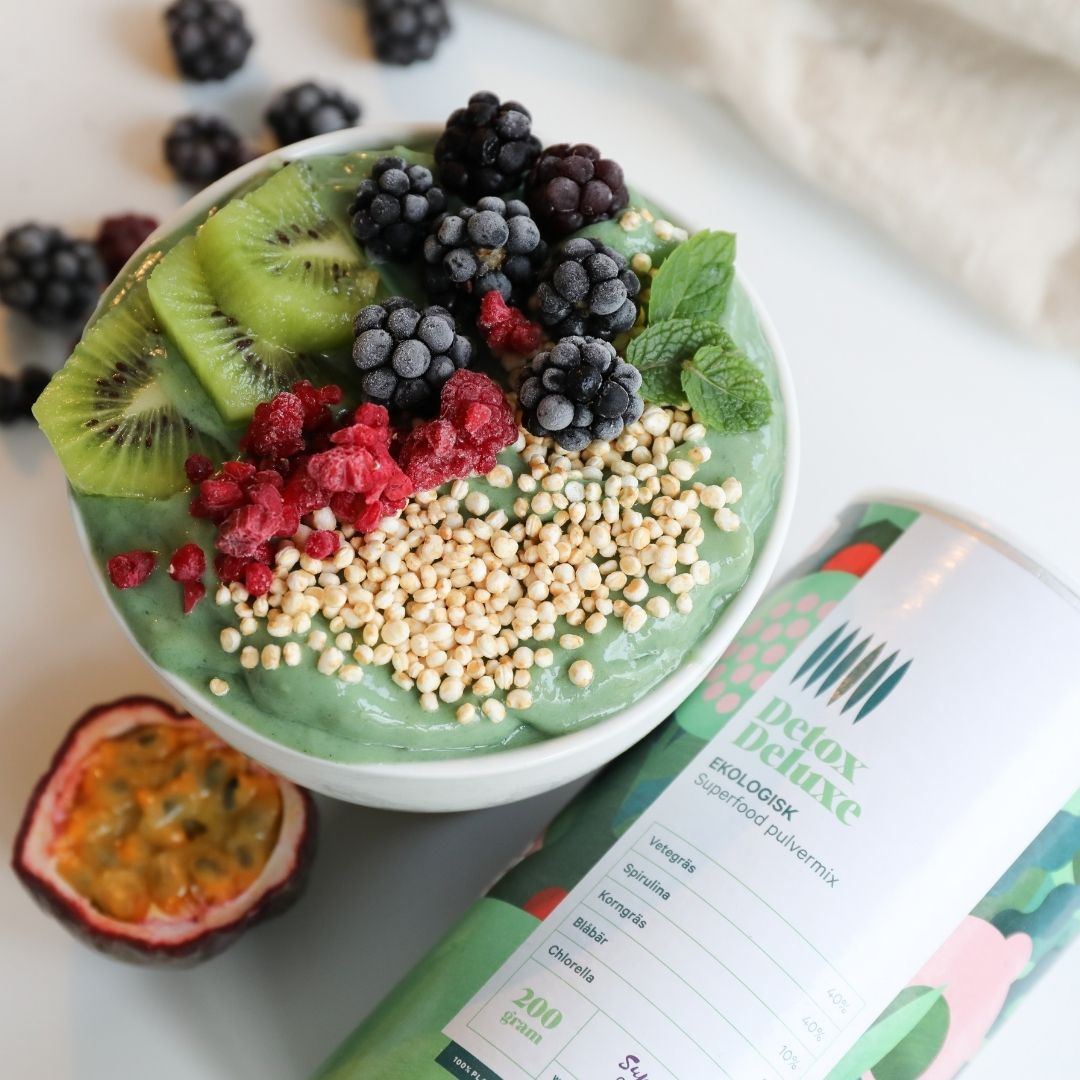
- A smoothie in the morning.
- A warm drink in the evening.
- A bowl of yogurt with berries.
- A simple routine that doesn’t require new decisions every day.
The Swedish Food Agency recommends that adults eat at least 500 grams of vegetables, fruit, and berries per day, preferably more. For many, the challenge is not knowing that more plant-based food is good – but getting it into everyday life in a simple, recurring way.
This is where small routines can play an important role.
Two steps that simplify the day
A practical way to create structure is to divide the day into two clear moments: morning and evening.
Morning: a nutritious start
Morning is often one of the most stressful moments of the day. That’s why a simple routine can make a big difference to the feeling of structure.
A smoothie, yogurt, or porridge with berries, leafy greens, and plant-based ingredients can be an easy way to add more nutrient-dense foods to the day – without having to start from scratch every morning.
It’s not about replacing a varied diet, but about making it easier to add good things.
Evening: a clear transition to rest
Evening serves a different purpose. Here, the routine is not about pace, but about creating a gentler transition between the day and recovery.
A warm drink, a quiet moment in the kitchen, or a recurring evening ritual can act as a signal that the day is beginning to wind down.
Sleep changes are common during the menopause transition, and several factors may be involved – including hormonal changes, stress, lifestyle, and age. That’s why evening routines can be especially relevant, not as a quick fix, but as part of a more caring daily structure.
Why small routines often work better than big changes
Big lifestyle changes can feel motivating at first, but they often require a lot of energy, planning, and discipline.
Small routines have a different strength. They:
- require fewer decisions
- are easier to repeat
- fit better into everyday life
- can be built on over time
Diet and lifestyle are often highlighted as important parts of women’s health during menopause. A varied diet with fruit, vegetables, whole grains, legumes, protein-rich foods, and healthy fats can help provide a stable foundation in everyday life.
So the important thing is not to create a perfect routine. The important thing is to create a routine that is simple enough to actually keep doing.
A practical way to get started
For anyone who wants to make everyday life easier, ready-made combinations can be a support.
For example:
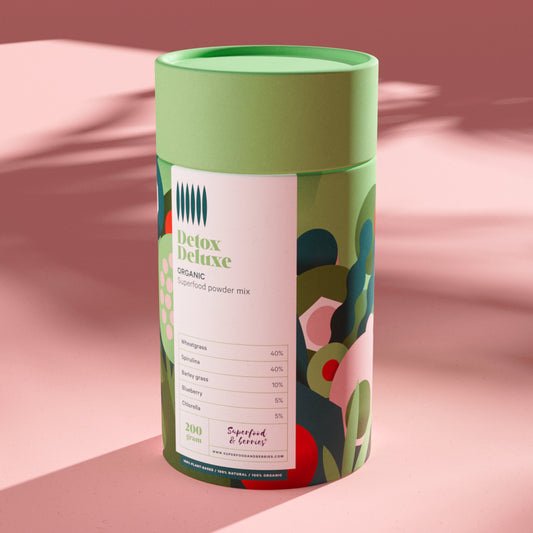
- a blend for the morning
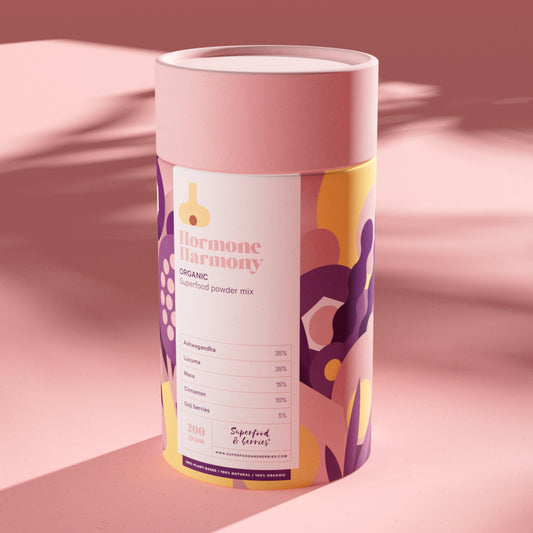
- a blend for the evening
This reduces the number of decisions and makes it easier to create a recurring structure.
One such example is Female Harmony – a combination of two superfood blends that helps you create a simple morning and evening routine in everyday life.
Not to make everything perfect.
But to make it easier to begin.
It’s not about doing everything right
When the body changes, the solution doesn’t always need to become more complex.
Often, a more sustainable everyday life starts with simplifying:
- fewer decisions
- clearer routines
- small steps that can be repeated
- more nutrient-dense elements in everyday life
Because it is rarely what we do sometimes that shapes everyday life the most.
It’s what becomes simple enough to do often.
Want to make it even easier?
For those who want a ready-made structure, there is Female Harmony – a 2-step routine with a blend for the morning and one for the evening.
An easy way to create more consistency in everyday life, without having to start from scratch every day.
👉 Discover Female Harmony – a 2-step routine for your everyday life
Sources
-
World Health Organization, WHO – Menopause
WHO describes menopause as a natural biological phase and highlights that the experience can vary greatly between women. Common symptoms can affect sleep, mood, and quality of life, among other things.
(World Health Organization) -
The Swedish Food Agency – Vegetables, fruit and berries
The Swedish Food Agency recommends that adults eat at least 500 grams of vegetables, fruit, and berries per day, preferably more.
(The Swedish Food Agency) -
British Nutrition Foundation – Nutrition and menopause
The British Nutrition Foundation highlights that a healthy, balanced diet and regular exercise can be important during menopause, including for weight balance and certain menopause-related symptoms.
(British Nutrition Foundation) -
British Nutrition Foundation – Managing menopause symptoms with nutrition and diet
The organization emphasizes that a varied diet and positive lifestyle changes can be part of managing menopause-related changes and supporting long-term health.
(British Nutrition Foundation) -
Lally, P. et al. – How are habits formed: Modelling habit formation in the real world
The study shows that habits are formed through repetition in a stable context and that the time it takes to establish a habit varies between individuals.
(Wiley Online Library) -
1177 Healthcare Guide – How to eat healthily
1177 provides practical advice on healthy eating habits and highlights, among other things, the recommendation of at least 500 grams of vegetables, fruit, and berries per day.
(1177.se)