
Menopause and protein needs: how the right nutrition becomes an important part of your new life stage
Share
The body changes – and so do nutritional needs
As the body enters menopause, changes occur that affect energy levels, muscle mass, and recovery. Hormone balance shifts, and many women notice that their bodies respond differently to diet and exercise than before.
One of the keys to feeling well through this phase is reviewing protein intake – and how it can be adjusted to the body’s changing needs. Protein is not only important for building muscle, but also for energy, satiety, and overall vitality.
Why does protein become extra important during menopause?
As estrogen levels drop, the body’s ability to preserve muscle mass is affected. At the same time, energy needs tend to decrease somewhat with age. The result is that women over 50 often need to pay more attention to the quality of protein and how it is distributed throughout the day.
According to the Nordic Nutrition Recommendations 2023 (NNR2023), women during and after menopause may benefit from being in the upper end of the recommended range – about 1.1–1.3 grams of protein per kilogram of body weight per day[^1].
The Swedish Food Agency recommends that 10–20% of energy in the diet comes from protein[^2].
👉 So it’s not about eating more of everything – but about eating smarter.
The role of protein for strength, energy, and satiety
As part of a balanced diet, protein contributes to maintaining the body’s normal muscle function[^3]. When combined with regular movement, it can help support strength, stability, and energy in everyday life.
In addition, protein contributes to longer satiety and more stable energy levels, which can be especially valuable when hormonal changes affect blood sugar and appetite.
Plant-based protein sources – gentle on the body and the planet
Increasing protein intake doesn’t have to mean meat or dairy products. Many plant-based options are both nutrient-dense and easy to use in everyday life:
- Pea- and pumpkin protein – rich in amino acids and easy to blend into smoothies or porridge.
- Chia seeds / protein – provide protein, fiber, and healthy fats.
- Legumes – beans, lentils, and chickpeas work well in hot dishes or salads.
- Nuts and seeds – provide protein and healthy fatty acids.
- Superfoods such as lucuma and baobab – add natural sweetness and nutrition.
Superfood & Protein Power – plant-based protein made easy
Protein Power is a plant-based protein blend with chia, pea, and pumpkin protein, flavored with cocoa and naturally sweetened with date powder.
It’s perfect for anyone who wants to give the body extra support in an easy way – in smoothies, porridge, or as a snack.
Feel free to pair it with physical activity, since exercise helps the body use protein effectively.
Tip: One tablespoon of Protein Power in your morning smoothie can help keep you full longer and give you a balanced start to the day.
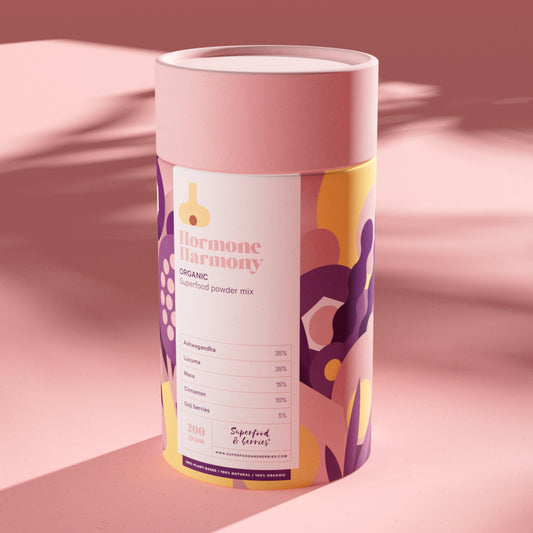
Hormone Harmony – when superfoods meet balance
Hormone Harmony is formulated with ingredients such as ashwagandha, lucuma, maca, cinnamon, and goji berries
The flavor profile is mild and rounded – perfect for giving both body and mind a moment of balance.
Recipe: Protein & Harmony Smoothie for menopause
A quick and tasty way to support the body during the day:
Ingredients:
• 1 tbsp Superfood Protein Power
• 1 tsp Superfood Hormone Harmony
• 1 banana
• 200 ml oat milk
• 1 handful of blueberries
How to make it:
Blend everything in a blender. Enjoy as breakfast or a snack!
Movement + nutrition = the best combination
For the body to benefit from protein, movement is required. According to studies, combining a protein-rich diet with strength training can help preserve both muscle strength and bone structure[^4].
Combine it with a diet rich in fruits and vegetables – at least 500 grams per day according to the Swedish Food Agency’s recommendations – to provide the body with vitamins, fiber, and antioxidants that support overall well-being.
Small steps that make a big difference
Menopause is not a pause – it’s a new phase of life. By listening to your body, adjusting your diet, and choosing nutrient-rich products, you can feel well through the change.
It’s not about doing everything perfectly – but about finding balance.
Protein is part of that whole.
Also read:
The different phases of menopause and diet
Cortisol and menopause: how diet and superfoods affect your hormones
5 tips on how to navigate menopause symptoms with diet
Try it yourself – find your balance
Discover how Superfood Protein Power and Hormone Harmony can naturally complement your diet.
Sources:
[^1]: Nordic Council of Ministers. Nordic Nutrition Recommendations 2023 (NNR2023).https://www.norden.org/en/publication/nordic-nutrition-recommendations-2023
[^2]: Swedish Food Agency. Protein – why do we need it? (2023). https://www.livsmedelsverket.se/matvanor-halsa–miljo/kostrad-for-vuxna/protein
[^3]: Devries MC et al. Protein intake and muscle function in aging adults. Nutrients, 2020; 12(5):1501.
[^4]: Daly RM et al. Protein-enriched diet combined with exercise in older women: effects on muscle and bone. Am J Clin Nutr, 2014; 99(5):1219–1233.